Ultimate Guide to Choosing a Weight Loss Program for Lasting Results

You have had the diets that claim to drop you in a short time. They take one week, two weeks then the weight comes back. It’s frustrating, right? This cycle is experienced by many people as generic plans do not take into account what you are like. This guide will demonstrate how to choose a weight loss program that fits in your life. It brings about reforms that are permanent and not short-term solutions.
The Deconstruction of the Weight Loss Programs. Types and Methodologies
There are numerous forms of weight loss programs. There are those who go to extremes with rules and those who develop consistent habits. Being familiar with the types, will make you notice what may be effective in you.
Fad Diets vs. Plans Approved by Experts
The fad diets usually eliminate entire food groups. Consider the plans of think juice cleanses or cabbage soup. They result in rapid weight loss, yet majorities gain the weight. Research indicates that up to 95 percent of the people who start diets go back to old ways after a span of five years.
Plans which are supported scientifically are centered around balance. They apply energy mathematics: consume more calories than you absorb. These approaches emphasize on whole foods and gradual development. The dangers of fads are deficiencies in nutrients and low metabolism. A lady had reduced 20 pounds on a detox and by the time she felt hungry, she had regained 25 pounds.
The Explained Low-Carb, Low-Fat, and Intermittent Fasting
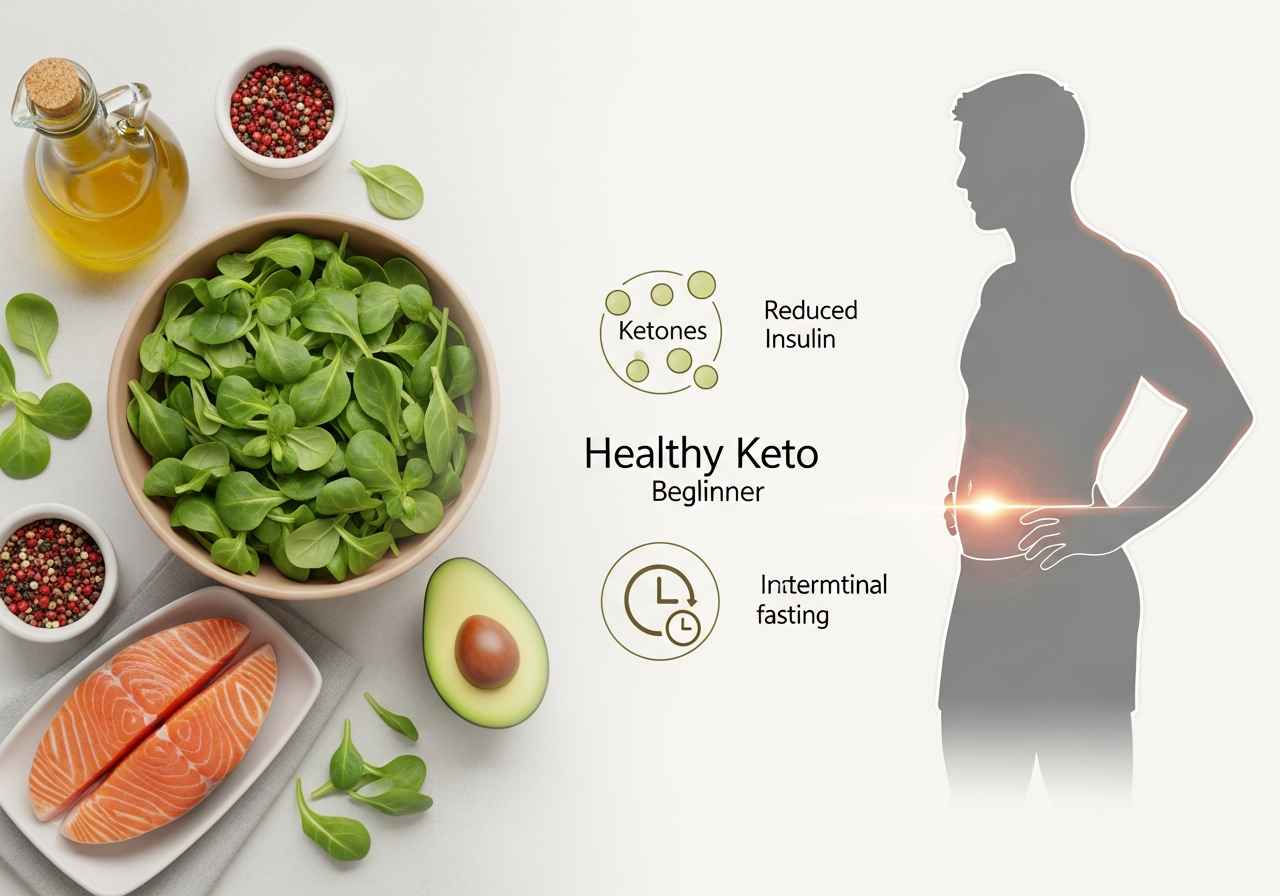
Low-carb diets restrict the amount of sugar and starches. Instead, fat is burned in your body. Keto is a popular example. It reduces the carbs to less than half a day. This changes the consumption of energy, and can suppress appetite.
Low fat diets eliminate oils and butters. They aim for 20-30% fat in meals. There is an improvement in heart health but others feel fatigued because they lack sufficient sources of energy.
Intermittent fasting rationed out meals. The fast period may be 16 hours long and the eating duration may be 8 hours. It does not make a difference of what you eat, only when. This enhances fat burning when it is empty. A research discovered that it is equivalent to gradual calorie reductions to lose weight. Choose depending on your habit, low-carb in case you are a meat lover, fasting in case you find the morning hard.
Behavior modification and lifestyle integration Programs
Such programs are aimed at habits, not only food. They are lessons on how to identify emotional eating. Snacks are commonly caused by stress, and therefore they incorporate mindfulness gimmicks.
Routine changes are required to succeed in the long run. Such programs involve tracking of moods and meals. One user of the app replaced binge watching the TV in the late hours with walking. It was memorable as it suited her day. A big part is played by psychology- rewards bring in new routes in your brain.
Companies vital to a good weight loss program
A good weight loss program is based on some major components. Calories are important, but movement and rest are important as well. Let’s break them down.
Nutritional Principles: Caloric deficit and Macronutrient Balance
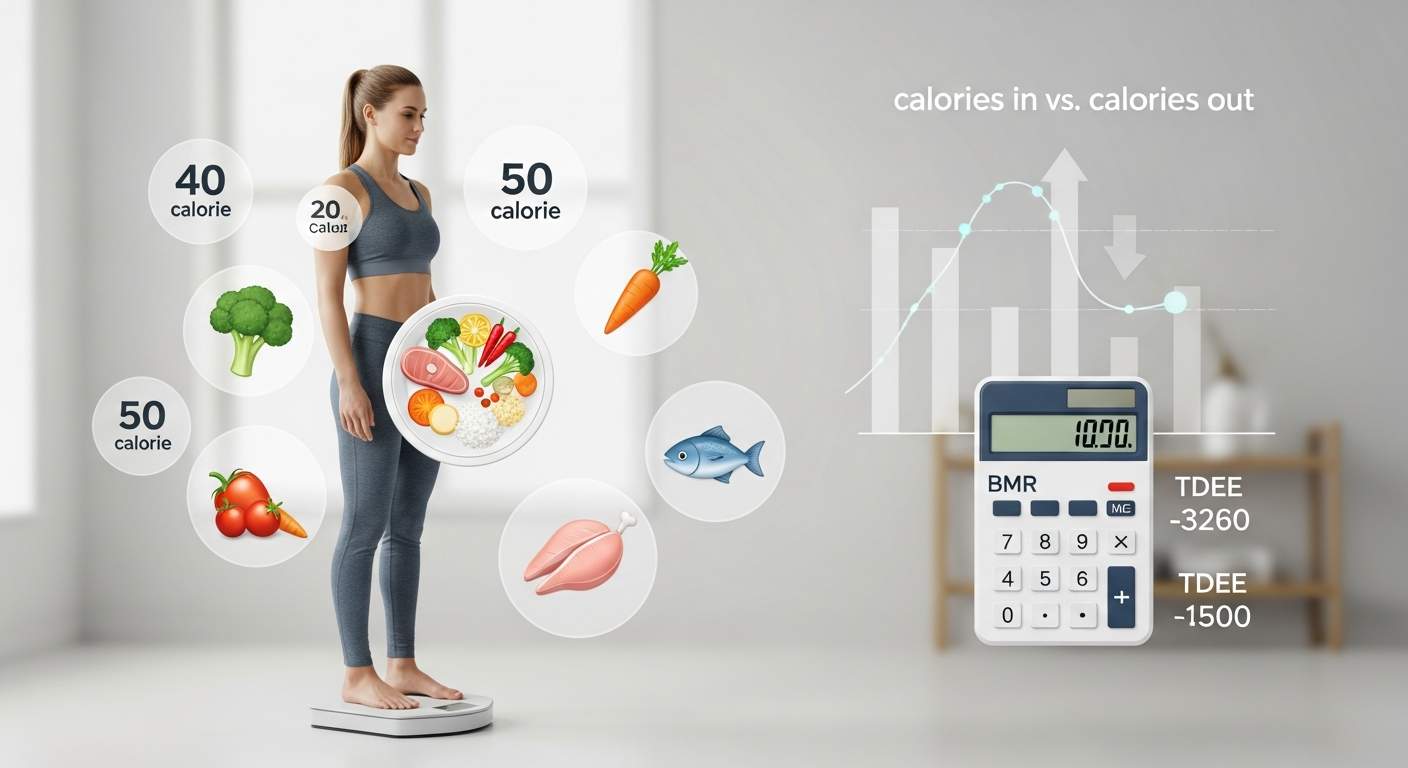
To lose fat, you must have a calorie deficit. Reduce calorie consumption by 500kcal per day, approximately a pound per week. Such tools as apps assist in monitoring this without conjecture.
Protein makes you full and helps to protect muscle. Target 1.6 g /kg body mass. Chicken, beans or eggs will work. Fruits and vegetables provide fiber to provide consistent energy. Bypass deficit crash- gradual and gradual.
Physical activity and the Intensity of Exercise
body motion is used to accelerate results. Exercises such as running are calorie burners. Aim for 150 minutes a week.
There is strength training which is muscle building. It increases your resting burn rate to the extent of 7%. Lift weights twice weekly. Imagine that your body is an engine, muscle makes it run even when you are not doing anything. A combination of the two is ideal in terms of fat loss.
Sleep, Stress Management and Hormonal Regulation
Hunger is disrupted by poor sleeping. Ghrelin increases and you lose your mind to junk. Achieve seven or nine hours of sleep.
Cortisol is secreted by stress and it accumulates belly fat. Take deep breaths or do short walks to get calmed down. A regime that is easy to follow: a light an hour before bed. A man has made up his stalled loss with addition of yoga. The hormones are in harmony, and the pounds are lost more easily.
Finding Your Way: Evaluating Your Personal Requirement and Objectives
There is nothing here that fits all. Make your weight loss program specific to you. Begin with the honest examination of your life.
Assessment of Present Health and Medical Concerns
See a doctor first. Conditions such as diabetes or thyroid can impact plans. Have baselines of blood tests.
Thyroid problems decelerate metabolism, and thus medications potentially may be beneficial. Docs can spot risks. One of my friends who had PCOS made changes to her program following checkups. It avoided crashes and developed secure development.
Life Style, Factors: Time, Money, and Cuisine
Fast food is the order of the day. Batches over the weekend, when work is time consuming.
Budget counts too. Home cooking saves money when compared to the delivery services. Nevertheless, in case you are hating salads, you should choose the ones that consist of stir-fries or smoothies. One of the parents selected simple meals to accommodate dinner at home. It kept things real.
Goal SMART: Beyond the Scale Number
SMART goals guide you. Specific: Walk 30 minutes daily. Measurable: Count steps using a cell phone.
Possible: Begin small in case you are novice. On point: Tie to energy boosts, not only appearance. Goal: Reduce weight to 5 pounds in 2 months.
One of the examples is running a 5K or putting on old jeans. Energy up? That’s a win too. Quit scale craze to actual profits.
The Credibility and Support Structures to Programs
Not all programs deliver. Security checks and back-up against bad checks.
Bringing Credentials to Scrutiny: Who is leading the Process?
Identify registered dietitians. They are degree holders and exam takers. There is a variation in nutritionists, some are not supported by science.
Check on the Internet or demand evidence. Coaches of substandard qualification may promote unsafe cuts. A certified pro assisted one client with modifications to prevent injury.
Determining Improvement over Short-term Change in Weight
Scales lie sometimes. Water weight swings daily. Use tape measures of lost inches.
Track energy or mood lifts. Non-scale victories: Sleeping well or unbuttoned clothes. Sarah disregarded plateaus by pointing at quicker increases. It kept her motivated.
Community, Accountability and Long-term Relapse Prevention
Teams enhance perseverance power. C chat or weekly calls apps are helpful.
Spot triggers like parties. Make healthy substitutes in advance. The same study reported that accountability increased success. Enter a chat-room–win and losses.
Conclusion: Sustaining Success The Program as a Foundation, not a Destination
The correct choice of weight loss program will make everything different. It suits your health, habits and aims towards long lasting outcomes. Learn balance, motion, and attitude rather than the magic.
Step by step and personalization are always better than intensity. Make a routine that is consistent such as family dinners or going out in the evenings. You’re set for a healthier you.
Ready to start? Assess your needs today. Hire an expert, establish SMART goals, and have a viable plan. Now it is your sustainable journey.